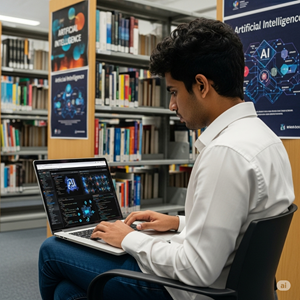
In today’s world, having strong digital skills for college students is no longer optional it’s essential. Many students learn well in their science, arts, or commerce subjects, but often miss out on important digital skills needed for real-world success. Employers expect fresh graduates to handle basic digital tools like emails, spreadsheets, and AI-powered writing helpers confidently.
This blog shares 3 surprising facts about what happens when students don’t learn to use AI and digital tools for college students and what simple steps you can take to catch up, no matter your starting point.
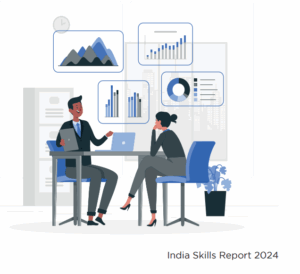 A recent report by Wheebox and CII (India Skills Report 2024) shows a big gap between what companies need and what fresh graduates know. According to the report’s findings, more than 70% of employers expect fresh graduates to be comfortable with basic digital tools, such as emails, spreadsheets, and digital communication platforms. However, less than 45% of graduates actually meet these expectations, underscoring a pronounced digital skills gap among young job seekers. To read more about the report Click
  Ritika, a B.Com student from Indore, had never used Google Sheets before joining her college placement cell. At first, she felt nervous managing event details online. But within a few weeks of tracking attendance, updating contact lists, and sharing reports through Drive, she became confident using digital tools. This helped her crack an interview later not because she had high marks, but because she knew how to handle basic digital tasks calmly and clearly.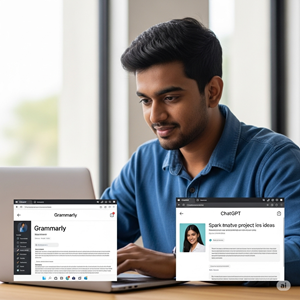
A major reason college students feel unprepared after graduation is lack of hands-on experience. While textbooks and exams are important, practical skills are what set you apart in job interviews and internships.
Many companies from startups to NGOs need help with small tasks like:
- Designing posters
- Writing social media captions
- Drafting reports
- Editing short videos
- Organizing simple online events
These may seem like basic things, but they teach you how real work happens how to communicate, take feedback, and meet deadlines. And you don’t need to be a professional. You just need to start.
Why It Matters:
When recruiters see real-life work on your resume even small contributions they view you as someone who takes initiative. It shows that you’re not just waiting for a job; you’re building skills and getting involved.
Real-Life Example: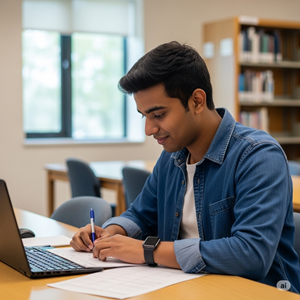
Sahil, a third-year student from Indore, volunteered to help his local library digitize their membership records. He used simple spreadsheets, created a Google Form for feedback, and helped them update their email list. It wasn’t a big project, but it taught him how to manage data, interact with staff, and document his work. Later, he included it in his internship application and got selected because he showed practical initiative.
Action Step:
Find one opportunity in your circle it could be a family business, a college club, or a local organization. Offer to help with a small digital task. Even basic involvement counts. Add the experience to your resume and LinkedIn profile. You’ll start standing out immediately.
How to Build Digital Skills for College Students Fast (Even If You’re Starting Late)
It’s okay to feel behind. Not everyone has access to the same resources or guidance and that’s not your fault. The good news is: it’s never too late to start. Here’s how you can begin developing your digital skills without pressure or complicated plans:
Step 1: Start Small, Stay Consistent
You don’t need to master everything at once. Pick one digital activity you’re curious about , maybe editing a photo, writing a short paragraph, or creating a simple document layout. Spend just 10–15 minutes a day exploring that. It’s better to build a daily habit than to feel overwhelmed once a week.
Step 2: Connect What You Learn to What You Already Do
Try using your growing digital skills in regular college activities class presentations, club posters, event planning, or even your personal notes. Real progress happens when learning is linked to your daily routine.
Step 3: Keep Track of Your Growth
Maintain a simple folder (online or offline) where you save things you try your first draft, improved version, feedback received, etc. Over time, you’ll start noticing how much you’ve learned and this will also help when applying for internships or building a resume.
Final Thoughts
Digital skills are not about being “tech-savvy.” They’re about being adaptable, resourceful, and ready for how modern work gets done. In today’s world, knowing how to use tools like Google Docs, Canva, or ChatGPT can make everyday tasks simpler and faster. These aren’t expert-level skills—they’re practical habits that help you stay organized, communicate clearly, and solve problems in real time. And those are things anyone can learn one step at a time.